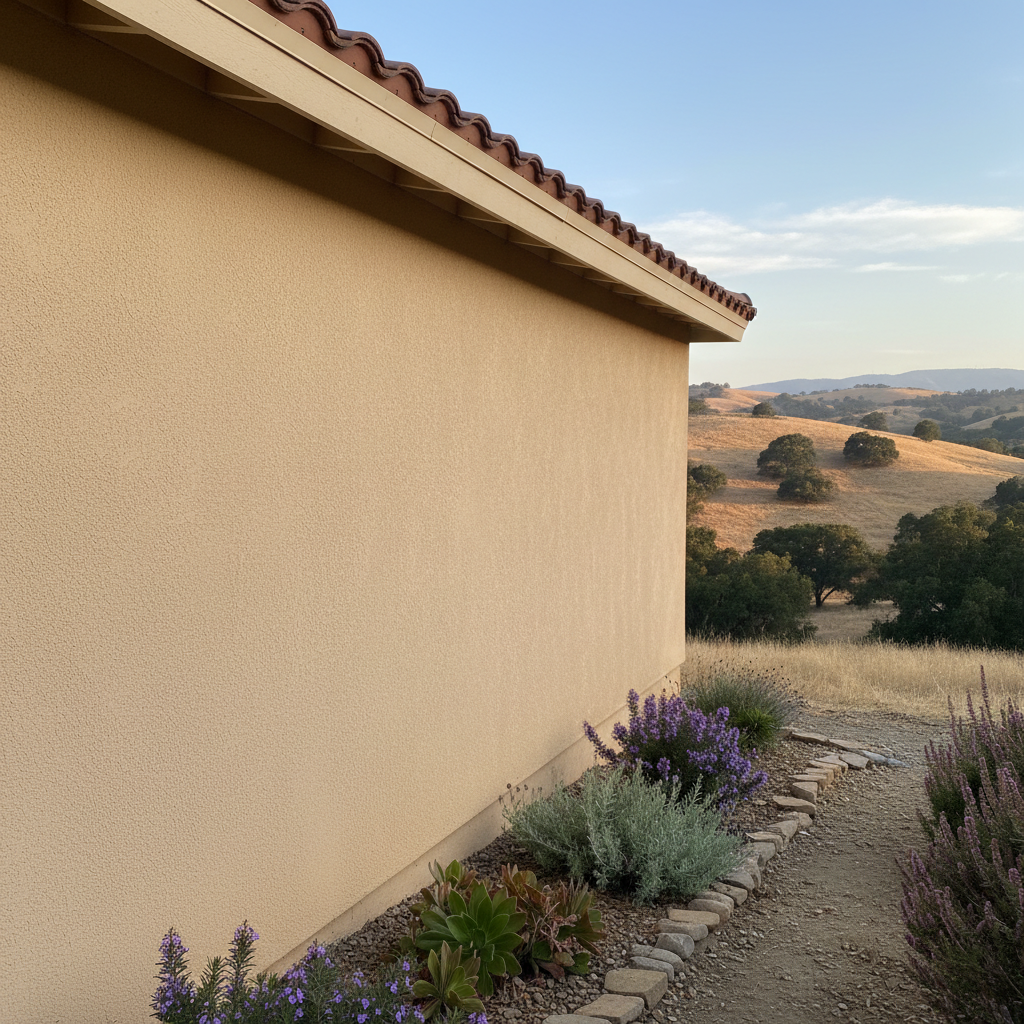
Alright, you've got stucco on your home here in Santa Maria. Maybe we even put it on for you at Santa Maria Stucco & Plastering. Either way, you picked a good material – stucco's tough, looks great, and can last a long, long time. But "last a long time" doesn't mean "never touch it." Just like anything else, a little care goes a long way to keep it doing its job and looking sharp.
Making Your Stucco Last Longer
The biggest thing you can do to make your stucco last isn't some secret trick; it's pretty straightforward: keep it clean and keep it dry. Seriously, that's like 80% of the battle, wouldn't you say?
- Keep it Clean: Dirt, dust, pollen, even that fine agricultural dust we get from the fields around here – it all settles on your walls. Over time, this stuff can hold moisture, encourage mildew growth, or just make your house look dingy. A gentle wash with a garden hose once a year is usually enough. If you've got stubborn spots, a soft brush and a mild detergent (like dish soap mixed with water) will do the trick. Just don't go at it with a high-pressure washer set to kill; you can damage the finish, especially on older stucco.
- Manage Water: This is huge. Stucco sheds water, but it's not waterproof. Any place water can sit or get trapped is a problem waiting to happen. Make sure your gutters are clean and draining away from the house. Check your downspouts – are they directing water into flowerbeds right next to the foundation? Get those extensions on there. Look at your landscaping too; plants and bushes growing directly against the stucco can trap moisture and stop it from drying out properly. Give your walls some breathing room.
- Sealants & Paint: If your stucco is painted, a good quality exterior paint adds an extra layer of protection. It helps shed water and keeps the stucco underneath from soaking up too much moisture. If your paint is chalking, peeling, or fading, it's probably time for a fresh coat. For unpainted stucco, sometimes a clear, breathable sealant can offer an extra layer of defense, especially in areas that get a lot of direct rain or sprinkler overspray. We can tell you what kind is right if you're thinking about it.
Regular Maintenance Checks
Think of this like checking the oil in your car. A quick walk-around your house a couple of times a year can save you a lot of headaches and money down the road. What should you be looking for?
- Cracks: Not all cracks are bad, but you need to know what you're seeing. Hairline cracks, especially around windows and doors, are pretty common and often just surface-level. They happen as the house settles or with temperature changes. Bigger cracks, especially those wider than a credit card or running in a stair-step pattern, could mean something more serious, like foundation movement.
- Discoloration & Stains: Dark streaks, green patches, or black spots usually mean mold, mildew, or algae. This isn't just an aesthetic issue; these organisms hold moisture against the stucco. Rust stains often come from metal components above the stucco, like flashing or old light fixtures.
- Soft Spots or Bulging: This is a big red flag. If you gently press on the stucco and it feels soft, spongy, or you see it bulging out, that's a strong sign of water getting in and causing damage behind the stucco. This needs immediate attention.
- Deterioration Around Openings: Pay close attention to the stucco around windows, doors, vents, and where pipes enter the wall. These are common entry points for water if the flashing or sealants have failed.
When to Call a Professional
Look, I'm a big believer in homeowners doing what they can themselves. But there are definitely times when you need to bring in someone who knows what they're doing. For stucco, here's when you should pick up the phone:
- Significant Cracks: If you've got cracks that are wide, long, or seem to be growing, don't just patch them with caulk. A professional needs to figure out the cause and fix it properly. Ignoring structural cracks can lead to bigger problems.
- Water Intrusion Signs: Any sign of water getting behind the stucco – soft spots, bulging, persistent dampness, or water stains on interior walls that line up with exterior stucco – that's a call-us-now situation. Water damage behind stucco can lead to rot in the wood framing, mold, and serious structural issues.
- Persistent Mildew/Algae: If you've cleaned your stucco and the mold or algae keeps coming back quickly, especially in shaded areas or spots that stay damp, there might be a bigger underlying moisture issue that needs investigating.
- Stucco Failure: If you see stucco crumbling, flaking off in large pieces, or if the finish coat is just falling apart rapidly, it's time for an expert assessment. This could be due to age, poor original installation, or significant water damage.
- Before Painting: If your stucco has significant damage or cracks, get those fixed properly before you paint. Painting over problems just hides them for a little while, but it doesn't fix them.
We've seen it all here in Santa Maria, from homes with stucco that's been neglected for decades to new builds that just need a little TLC. Don't wait until a small problem becomes a huge headache. A little proactive maintenance and knowing when to call in Santa Maria Stucco & Plastering can really extend the life of your home's exterior and keep it looking its best for years to come.