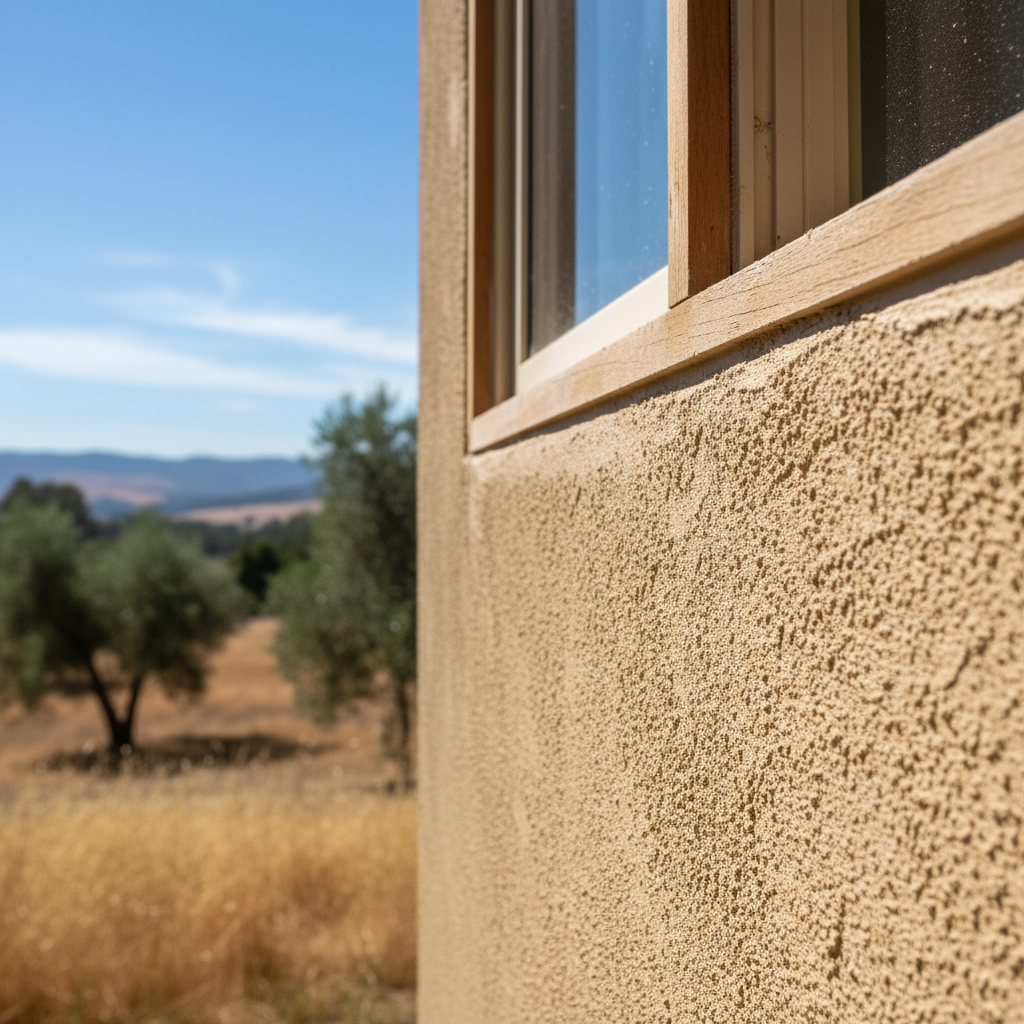
So, you're looking at your house and thinking about stucco, huh? Maybe it's a repair, maybe a whole new look. It's a solid choice for homes here in Santa Maria, tough against our dry summers and those occasional winter rains. But before you grab a trowel, let's talk about what you can realistically tackle yourself and when you absolutely need to pick up the phone and call a professional.
Before You Start: Planning Your Stucco Project
First things first, what's the goal? Are we talking about a small patch, a full re-stucco, or maybe a new addition that needs to match the existing finish? This isn't like painting a wall inside; stucco is a whole system. You've got different layers – scratch coat, brown coat, finish coat – and each one needs to be done right for it to last.
One big thing to consider is the condition of your existing walls. If you've got cracks, water damage, or sections falling off, you can't just slap new stucco over it. You've got to address the underlying issues first. That might mean fixing leaks, replacing damaged sheathing, or even dealing with foundation problems. Ignoring those will just lead to bigger headaches down the road, and the new stucco won't hold up.
For small, cosmetic cracks – the hairline ones that don't go all the way through – you might be able to handle a DIY patch. There are plenty of pre-mixed stucco patching compounds out there. Just make sure you clean the area thoroughly, apply the patch, and then try to match the texture as best you can. It's trickier than it sounds to get it to blend perfectly, especially with some of the more intricate Santa Maria textures you see on older homes in places like the historic downtown area.
But if you're looking at anything larger than a dinner plate, or if you see signs of water intrusion, don't mess around. That's when you need a pro. We've seen too many DIY repairs turn into bigger, more expensive problems because someone tried to fix a structural issue with a bucket of stucco patch.
During the Project: DIY vs. Professional Hands
Okay, let's say you've decided on the scope. For anything beyond a small patch, I'm going to be straight with you: leave it to the pros. Stucco application is a skill that takes years to master. It's not just about throwing mud on a wall. It's about proper mixing ratios, consistent application, getting the right thickness for each coat, and achieving a uniform texture across a large surface.
Think about the prep work alone. You've got to protect windows, doors, landscaping, and anything else you don't want covered in cement. Then there's the lath – the wire mesh that holds the stucco – which needs to be properly fastened and overlapped. If that's not done right, you'll get cracks and delamination. Then comes the scratch coat, which needs to be scored, and the brown coat, which needs to be leveled and plumb. Each step is critical.
And the finish coat? That's where the artistry comes in. Whether you want a smooth finish, a Santa Barbara dash, or a skip trowel, getting that consistent look over an entire wall is tough. You've got to work fast, and the weather plays a huge role. Our Santa Maria winds can dry things out quickly, making it even harder to get a good finish.
Trying to DIY a whole wall or a re-stucco project usually ends up costing more in the long run. You'll buy all the tools, spend countless hours, and likely end up with a finish that doesn't look professional or, worse, fails prematurely. Then you're paying someone like us at Santa Maria Stucco & Plastering to come in and fix it, which is always more expensive than doing it right the first time.
After the Stucco is Done: Maintenance and Care
Once your stucco project is complete, whether it was a small patch or a full re-stucco, the work isn't entirely over. Stucco is durable, but it's not maintenance-free. You'll want to keep an eye on it.
Regular cleaning is a good idea. A gentle wash with a garden hose and a soft brush can remove dirt and grime. For tougher stains, you can use a mild detergent, but always test it in an inconspicuous spot first. Avoid high-pressure washers; they can damage the stucco surface, especially if it's an older, softer finish.
Inspect your stucco periodically, especially after heavy rains or strong winds. Look for any new cracks, especially around windows, doors, and rooflines. These are common areas where movement or water intrusion can occur. If you see small cracks, monitor them. If they grow, or if you see signs of water staining below them, that's a red flag.
Also, keep an eye on your gutters and downspouts. Make sure they're clean and directing water away from your stucco walls. Constant water exposure is one of the biggest enemies of stucco. Similarly, trim back any plants or bushes that are growing directly against the stucco. They can trap moisture and cause damage over time.
For most homeowners, keeping the stucco clean and doing visual inspections is perfectly fine. But if you spot anything concerning – a large crack, a soft spot, or water stains – don't hesitate to call a professional. Catching problems early can save you a lot of money and hassle down the line. We're always here to answer questions or come out for a look if you're unsure.