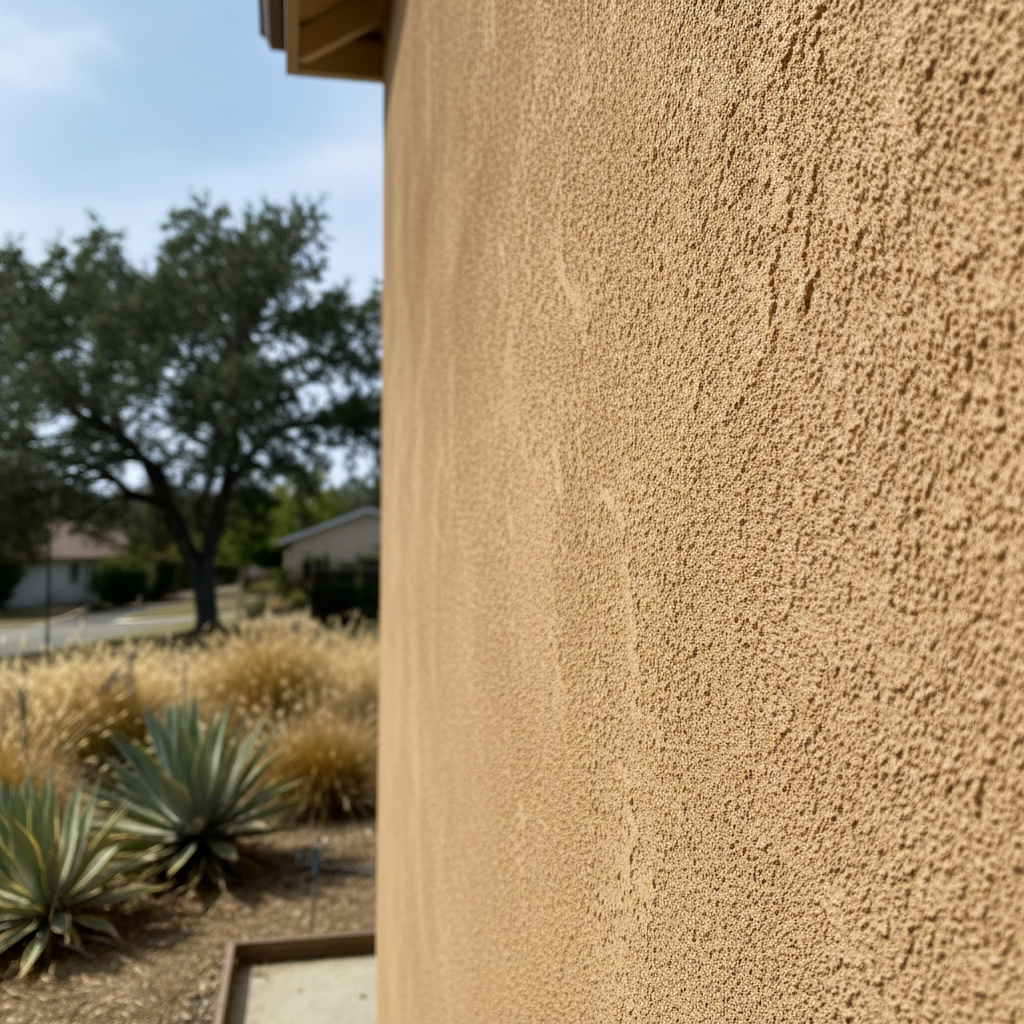
So, you're looking at your stucco and maybe wondering if it's time for a little refresh. Perhaps it just seems a bit tired, or you've noticed some spots that aren't holding up like they used to. Redashing is often the perfect solution, and I get a lot of questions about it from homeowners right here in Santa Maria. Let's dig into some of the most common ones I hear.
What exactly is stucco redashing, and how does it differ from a repair?
Alright, let's get this straight first. When we talk about redashing stucco, we're basically putting a brand new finish coat right over your existing stucco. Think of it like giving your house fresh, new skin. It's not just patching up a crack or two; this is a full update to the exterior's look, and it can even add another layer of protection. We're talking about applying a new layer of stucco mix – usually a finish coat, though sometimes a base coat too if the surface needs more prep – directly over what's already there. A repair, on the other hand, typically focuses on fixing a specific problem area. You know, a crack, a hole, or just a small section of damaged stucco. Redashing? That covers the whole thing, giving you a smooth, uniform, fresh look.
How do I know if my stucco needs redashing, or if I can just paint it?
This is a big one, for sure. Painting stucco is definitely cheaper upfront, but it's not always the right answer, especially if you've got hidden issues. If your stucco is just dirty or faded but otherwise solid – no cracks, no peeling, no water getting in – then a good power wash and a fresh coat of elastomeric paint might be all you need. But if you're seeing lots of little hairline cracks, areas where the stucco is chalking or flaking off, or if the texture itself just looks really worn and uneven, painting it is, well, like putting lipstick on a pig. The paint won't fix those structural or textural problems. Redashing tackles those issues head-on by giving you a new, durable surface. It's an investment, yes, but one that usually pays off big time in how long it lasts and how good your home looks.
What's the typical process for redashing stucco?
It's not just slapping on new stucco, believe me. There's a real method to it. First, we've got to get the existing surface ready. That means cleaning it thoroughly – scrubbing off dirt, grime, loose paint, and any efflorescence. Sometimes, we'll even need to do some minor repairs to bigger cracks or delaminated spots before we even think about the new coat. Then, depending on the condition and type of stucco that's already there, we might put down a bonding agent. This helps the new stucco stick properly. After that, we apply the new finish coat. This is where the magic happens, where you get that fresh color and texture you're after. We're super careful to keep a consistent thickness and finish across the whole surface. Finally, it's all about curing correctly, which means keeping it damp for a few days, especially with our dry Santa Maria climate, to make sure it hardens right and doesn't crack too soon.
How long does a redashing project usually take?
That depends on a few things: the size of your house, how complex the architectural details are, and, of course, the weather. For an average-sized home here in Santa Maria, let's say around 1,500 to 2,000 square feet, you're usually looking at anywhere from a few days to a week for the actual application. That doesn't count the initial prep work, which can take a day or two, or the curing time. If it's a bigger home, or if there are a lot of intricate corners, windows, and trim work, it'll naturally take longer. We always factor in our local weather too; you definitely don't want to be redashing during a surprise rain shower, or when it's super windy and dusty, which can happen here in the spring.
What kind of textures and colors are available for redashing?
Oh, you've got options! This is where you can really change the entire look of your home. For textures, the most common ones we do are smooth, sand finish, dash finish (which is actually where the term 'redashing' comes from, a coarser, more pronounced texture), and various lace textures. Smooth is very modern and clean, but it does show imperfections more easily. Sand finish is really popular, giving a subtle, granular look. Dash is rougher, and lace textures offer a more intricate, almost patterned appearance. As for colors, the sky's the limit with modern stucco mixes. You can pick from hundreds of pre-mixed colors, or we can even custom-match something if you have a specific vision. Just remember that the color will look different when it's wet versus dry, and the texture you pick can also subtly affect how that color appears.
Will redashing fix all my stucco problems, especially water intrusion?
Look, redashing is fantastic for making things look good and adding a fresh protective layer, but it's not a magic bullet for serious underlying issues. If you've got significant water intrusion problems – like leaks around windows, doors, or at the roofline – redashing alone isn't going to fix that. Those issues need to be addressed at their source first. We'd have to figure out where the water is getting in, make the necessary repairs to the flashing, sealants, or whatever else is failing, and *then* we can talk about redashing. Putting a new coat of stucco over an active leak is just asking for trouble down the road. We at Santa Maria Stucco & Plastering always do a thorough inspection to make sure we're not just covering up a bigger problem.
How much does stucco redashing cost in Santa Maria?
This is probably the most common question, and it's also the trickiest to give a single number for because every house is different, right? What I can tell you is that it's typically priced by the square foot, but that price per square foot varies based on a whole bunch of factors. Things like the condition of your existing stucco (does it need a lot of prep?), the type of new finish you choose (a smooth finish often costs more because it's harder to get perfect), the number of architectural details (more corners, windows, and doors mean more labor), and even how accessible your walls are (is it a two-story home with tricky access?). Generally, you can expect redashing to be more expensive than just painting, but less than a full stucco tear-off and replacement. We always provide a detailed, on-site estimate so you know exactly what you're getting into. It's an investment in your home's longevity and appearance, so you definitely want to make sure it's done right.