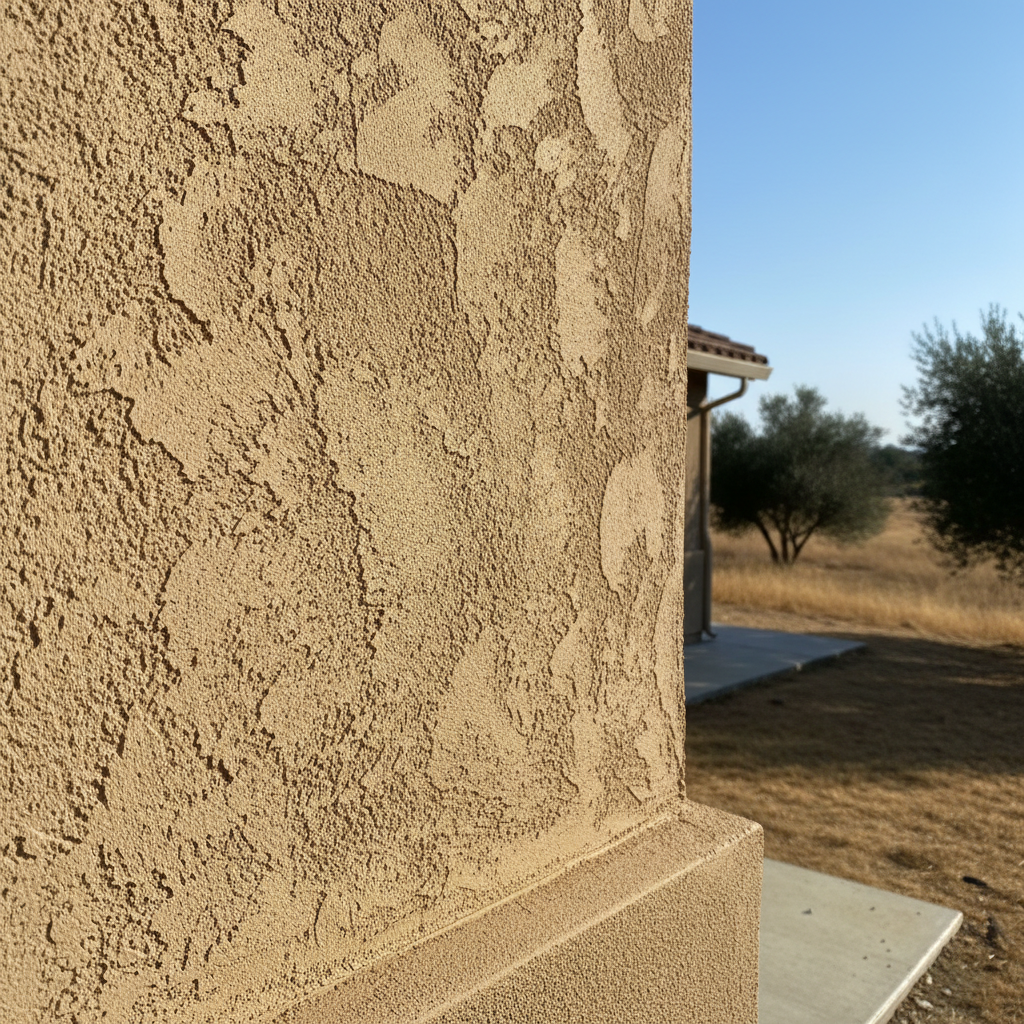
Your stucco isn't looking so hot, huh? Maybe you've got cracks, some crumbling, or even bigger chunks falling off. The big question always pops up: "Can I just patch this up, or do I need to rip it all out and start over?" It's a super common dilemma, and knowing the difference can save you a ton of headaches and money.
When to Repair vs. Replace
First things first, let's chat about when a simple repair will probably do the trick. If you've got small, hairline cracks, especially around windows or doors, those are usually just cosmetic. We can patch those right up. Same goes for minor dings or scrapes. If a small section — say, a square foot or two — has come loose because of an impact or some localized water that's now fixed, a patch is often the smart move. Heck, you can even tackle some of these smaller repairs yourself if you're handy and willing to learn the basics of stucco application. There are tons of guides online, and the materials aren't too pricey for little jobs.
But then, there are the bigger problems. When you start seeing widespread cracking, especially those spiderweb patterns or cracks wider than a credit card, that's a serious warning sign. If large sections of stucco are peeling away from the wall – meaning they sound hollow when you tap them, or they're visibly bulging out – you're probably looking at a full replacement. Significant water damage, often showing up as dark stains, mold, or crumbling stucco that feels soft, almost like wet cardboard, usually means the sheathing and framing underneath are shot. At that point, you're not just replacing stucco; you're dealing with structural issues that absolutely need attention.
Another huge factor is if your stucco was just installed wrong from the get-go. We see this sometimes, especially in older homes in places like Orcutt or the historic parts of town, where building codes weren't as strict or techniques weren't quite as refined. If the original installation didn't have proper flashing around windows and doors, or if the weep screed was put in too low to the ground, you're going to have ongoing trouble. Trying to patch a system that's fundamentally flawed is like putting a tiny bandage on a gushing wound – it just won't hold.
Before You Start: What to Consider
Before you even think about swinging a hammer, you need to understand the full scope. Is this just one wall, or is it the whole house? What's causing the damage in the first place? If it's water getting in, you absolutely have to fix the source of that leak first. Replacing stucco over an active leak is just throwing money away, plain and simple. This might mean fixing a leaky roof, replacing old windows, or improving the drainage around your foundation.
You'll also want to think about the type of stucco you have. Is it traditional three-coat stucco, or something else entirely? Knowing this helps us pick the right materials and techniques for the job. And what about the weather? We get some pretty good fog and dampness here in Santa Maria, especially in the spring and fall. You definitely don't want to be doing stucco work during heavy rain or when it's too cold, as that messes with how it cures.
For any big replacement, you're going to need permits. Don't, I repeat, don't skip this step. The City of Santa Maria has specific rules, and doing work without a permit can lead to fines and a whole lot of headaches when you try to sell your home later on.
During the Project: DIY vs. Pro
Okay, so you've decided it's time for a replacement. Now, can you do it yourself? For small, localized sections, maybe. If you're replacing just a few square feet, and you're comfortable mixing materials, applying scratch and brown coats, and then the finish coat, go for it. You'll need some basic tools: a hawk and trowel, a mixer, buckets, and safety gear. The biggest hurdle for DIYers is usually getting the texture and color to match the existing stucco, especially if it's an older finish. That takes a lot of practice to get just right.
However, for anything more than a small patch, I'm going to be blunt: call a pro. Here's why:
- Safety: Tearing out old stucco can be dusty, and you might run into lead paint or asbestos in older homes. Plus, working on scaffolding or ladders is just plain risky.
- Expertise: A professional stucco contractor, like us at Santa Maria Stucco & Plastering, knows the right way to remove old material, prepare the wall underneath, install new lath and paper, and apply the stucco coats correctly. We know how to deal with flashing, weep screeds, and expansion joints – all super important for a job that lasts.
- Efficiency: We have the right tools and crew to get the job done quickly and efficiently, meaning less disruption to your home.
- Warranty: Most good contractors offer a warranty on their work, which gives you some real peace of mind.
- Matching: Getting a seamless match in texture and color? That's an art form. We've got the experience to blend the new work with the old, or to give your whole house a fresh, consistent look.
If you're replacing an entire wall or more, you'll end up with a ton of debris. You'll need a dumpster, and proper disposal can be a real pain. Pros handle all that for you, thank goodness.
After the Stucco Replacement
So, the new stucco is up, and it looks fantastic. What's next? The most important thing is proper curing. Don't rush to paint it. Stucco needs time to dry and cure completely, which can take several weeks depending on the weather and the mix. If you paint too soon, you can trap moisture, leading to bubbling, peeling, and other issues down the road.
Keep an eye on it, especially during our rainy season. Look for any signs of new cracking or water getting in. If you see anything, address it quickly. Regular maintenance, like keeping your gutters clean and making sure water drains away from your foundation, will go a long way in protecting your investment. It really will.
Ultimately, a stucco replacement is a big project, but it's one that can significantly improve your home's appearance, value, and protection against the elements. Don't hesitate to reach out if you're trying to figure out the best path forward for your home.